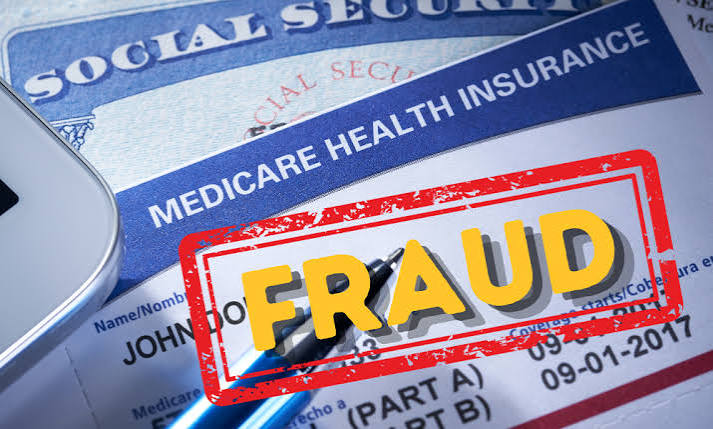
Understanding the Consequences of Fraud in Healthcare: Protecting Patients and Investors
Healthcare fraud is not a victimless crime. It is a systematic betrayal of trust that extracts billions of dollars from public and private payers, exposes patients to unnecessary and sometimes dangerous medical procedures, and wipes out investor wealth when fraudulent schemes are finally exposed. The consequences ripple through every layer of the healthcare system—from the patient sitting in an examination room to the shareholder watching a stock price collapse.
This investigative report examines the dual consequences of healthcare fraud: the physical and financial harm inflicted on patients, and the devastating losses suffered by investors who unknowingly fund fraudulent enterprises. Drawing on recent enforcement actions, regulatory data, and court records, we trace how these schemes operate, who they hurt, and what is being done to stop them.
The Scale of the Problem: A $17.5 Billion Shadow Economy
The numbers are staggering. In a Financial Trend Analysis published in September 2026, the Financial Crimes Enforcement Network (FinCEN) analyzed 5,702 Bank Secrecy Act reports filed between March 1, 2025, and February 28, 2026, and identified approximately $17.5 billion in suspicious activity potentially linked to healthcare fraud. These figures represent only the transactions that financial institutions flagged—the actual scale of healthcare fraud is believed to be far larger.
The Department of Justice’s enforcement statistics confirm the enormity of the problem. In fiscal year 2025, the DOJ announced record-breaking recoveries of more than $6.8 billion under the False Claims Act, with healthcare matters accounting for more than $5.7 billion—over 83% of total recoveries. This marked the highest single-year dollar amount recovery since the DOJ began reporting such statistics in 1987.
The 2026 National Health Care Fraud Takedown, announced in June 2026, resulted in criminal charges against a record 455 defendants, including 90 doctors and other licensed medical professionals, in schemes involving over $6.5 billion in alleged false claims. The cases spanned 56 federal districts and 45 states and territories, with 50 of 53 state Medicaid Fraud Control Units participating—the most in Department history.
FinCEN’s analysis revealed that home health care businesses were the most frequently identified suspected fraudulent providers, appearing in 20 percent of all suspected healthcare fraud-related reports. Other frequently identified providers included hospice care companies, mental and behavioral health and addiction treatment providers, medical equipment providers, and adult or child daycares.
The Human Cost: When Patients Become Victims
The most immediate and visceral consequences of healthcare fraud are borne by patients. Unlike financial fraud, where the harm is measured in dollars, healthcare fraud inflicts physical and psychological damage that can last a lifetime.
Unnecessary and Dangerous Procedures
In June 2025, Dr. Mona Ghosh, a suburban Chicago physician who owned and operated Progressive Women’s Healthcare, was sentenced to ten years in federal prison for billing Medicaid and private insurers for nonexistent and unnecessary services. From 2018 to 2022, Ghosh submitted fraudulent claims for procedures that were not medically necessary, including endometrial ablations and biopsies, ultrasounds, vaccinations, and laboratory blood tests. Some of the procedures were performed without patient consent.
The sentencing judge noted that Ghosh’s fraud scheme was “particularly egregious because she endangered the health of her patients by performing unnecessary medical procedures, including procedures that severely limited some patients’ ability to have children in the future”. The FBI described her conduct as “a depraved betrayal of trust toward patients who were simply seeking care and integrity from their doctor”.
Similar cases have emerged across the country. In March 2026, an Arizona cardiology group agreed to pay $4.75 million to resolve allegations that it violated the False Claims Act by performing medically unnecessary vein ablations. The U.S. Attorney for the District of Arizona noted that “paying for unnecessary medical procedures reduces federal programs’ capacity to pay for truly necessary procedures”.
A Maryland settlement with the Center for Vein Restoration resolved allegations that the practice billed government health programs for medically unnecessary chronic venous insufficiency treatments. And in a particularly disturbing case, pain clinics were found to have made millions from “unnecessary and expensive injections” that were ineffective because they targeted the wrong body part, contained short-lived numbing medications but no steroids, and appeared to be based on test shots given to cadavers.
Financial Exploitation of Vulnerable Patients
Beyond physical harm, healthcare fraud often directly exploits patients financially. The Zynex case, unsealed in January 2026, provides a stark illustration. Former CEO Thomas Sandgaard and former COO Anna Lucsok were charged with orchestrating a scheme that collected more than $873 million from patients and private and federal healthcare payers for Zynex products, including more than $600 million for supplies that were unnecessary and improperly billed.
The indictment alleged that supplies were shipped “in excessive volumes, sometimes as large as 32, 64 or 128 electrode pairs per patient each month”. Sandgaard and Lucsok continued to bill for the supplies even after being notified the practices were fraudulent, despite objections from employees and patient complaints to the Better Business Bureau.
Patient complaints included in the indictment paint a heartbreaking picture of the human toll. One patient wrote: “They kept mailing me supplies and I kept getting denials. I called today and was informed that I owe a tremendous amount of money. I live on $1,100.00 a month and cannot afford much. She informed me that there still would be a rental fee and supply fees. I told her that I could not even afford food at this point”.
Another patient reported: “I received the product and then continued to receive batteries and electrodes. AFTER NINE MONTHS I received a bill with 27 charges for supplies. This was the first bill I ever received, they just kept racking up the charges and they waited nine months to send the bill… I feel like this company is a total SCAM”.
The Ripple Effect on Healthcare Access
When fraudulent providers siphon billions from Medicare and Medicaid, the consequences extend beyond individual victims. The Department of Justice has acknowledged that healthcare fraud schemes “contribute to our nationwide opioid epidemic and exacerbate controlled substance addiction” while “stealing money hardworking Americans contribute to pay for the care of their elders and other vulnerable citizens”.
The DOJ further noted that these schemes often result in “physical patient harm through medically unnecessary treatments or failure to provide the correct treatments”. Every dollar stolen through fraud is a dollar unavailable for legitimate care for patients who genuinely need it.
The Investor Toll: When Fraud Destroys Shareholder Value
While patients bear the physical and emotional costs of healthcare fraud, investors often bear the financial brunt when fraudulent schemes are exposed. Healthcare fraud and securities fraud frequently go hand in hand, as executives use fraudulent billing to inflate revenue, manipulate financial statements, and drive up stock prices—until the scheme collapses.
Inflated Revenue and Stock Price Manipulation
The Zynex case is emblematic of this dual fraud. Prosecutors alleged that Sandgaard and Lucsok “misled investors by using the billings to inflate revenue and drive up the company’s stock price”. The indictment charged the executives with conspiracy to commit securities fraud alongside healthcare fraud and mail fraud charges.
In total, the defendants caused Zynex to collect more than $873 million, using these fraudulent billings and the revenues derived from them to “fraudulently inflate the company’s financial reporting and drive up the stock price”. When the scheme was exposed, the company filed for Chapter 11 bankruptcy protection in December 2025, leaving shareholders with losses that may never be recovered.
The personal enrichment of the executives stands in stark contrast to the devastation left behind. The U.S. government is seeking to restrain Sandgaard’s assets, including a private jet, multiple luxury cars, properties in Colorado and Florida, and bank accounts, as well as Lucsok’s property, cars, and accounts.
Securities Class Actions and Shareholder Litigation
When healthcare fraud is revealed, investors often turn to the courts. In October 2025, a securities fraud class action was filed against Nutex Health, Inc. (NASDAQ: NUTX), accusing the company of orchestrating a deceptive billing strategy to artificially boost its financial results. Following a Blue Orca report on July 22, 2025, Nutex’s stock fell $11.18 per share, or 10.05%, to close at $100.01 that day.
The litigation alleged that Nutex collaborated with a third-party billing firm to mislead shareholders and trigger the stock price decline. Similar patterns have played out in other cases. In December 2024, two biotech CEOs were convicted in a securities fraud scheme, with prosecutors stating that “with false promises of FDA approval, the defendants enriched themselves by the millions while investors lost”.
The Broader Market Impact
The consequences of healthcare fraud extend beyond individual companies. When fraud is uncovered, it erodes investor confidence in the entire healthcare sector. The TransMedics case illustrates how a single company’s troubles can affect market sentiment: TransMedics stock fell $3.74 per share, or 5.15%, on January 10, 2025, and a further $4.76 per share, or 6.9%, on January 13, 2025, as investors reacted to fraud-related concerns.
For institutional investors, pension funds, and retail shareholders alike, healthcare fraud represents a hidden risk that can materialize without warning. Unlike operational challenges or competitive pressures, fraud is deliberately concealed, making it nearly impossible for investors to assess until it is too late.
How Healthcare Fraud Schemes Operate
Understanding the mechanics of healthcare fraud is essential to protecting against it. Recent enforcement actions reveal several common patterns.
Billing for Services Never Rendered
One of the most straightforward forms of healthcare fraud involves billing for services that were never provided. In November 2025, a Memphis nephrologist agreed to pay $375,296.90 to resolve False Claims Act allegations that he falsely billed Medicare for end-stage renal disease treatment visits to dialysis patients that he never actually performed.
Upcoding and Unbundling
Providers may submit claims using billing codes for more complex or expensive services than were actually provided. Dr. Ghosh fraudulently overstated the length and complexity of in-office and telemedicine visits and submitted claims using billing codes for which the visits did not qualify in order to seek higher reimbursement rates.
Kickbacks and Self-Referral
Illicit kickback arrangements remain a significant area of enforcement. The False Claims Act prohibits the payment or receipt of remuneration to induce referrals for services covered by federal healthcare programs.
Durable Medical Equipment Fraud
The Zynex case highlights the particular vulnerability of durable medical equipment (DME) billing to fraud. By shipping excessive supplies and billing for equipment that was not medically necessary, the executives generated hundreds of millions in fraudulent revenue.
Telemedicine and COVID-Era Schemes
The expansion of telemedicine during the COVID-19 pandemic created new opportunities for fraud. In one case, the owner of a telemedicine company pleaded guilty to organizing and leading a $46.2 million Medicare fraud scheme, personally receiving more than $10.4 million from the scheme. He faced a maximum sentence of 20 years in prison.
Enforcement and Penalties: The Legal Consequences
The legal consequences of healthcare fraud are severe, reflecting the seriousness with which lawmakers and regulators view these crimes.
The False Claims Act: Treble Damages and Per-Claim Penalties
The False Claims Act (FCA) is the government’s primary tool for combating healthcare fraud. The statute allows for treble damages—three times the government’s damages—plus a per-claim penalty that is linked to inflation. Violators face “treble (triple) damages plus other penalties”.
In fiscal year 2025, the DOJ reported a record-breaking 1,297 new qui tam actions filed under the FCA. Although health care fraud did not constitute the primary source of qui tam cases for only the second time in 30 years, the absolute number of health care qui tam cases—458—was nevertheless at its highest level in the last five years.
Criminal Prosecution and Prison Sentences
Criminal prosecution of healthcare fraud has intensified. Recent sentences include:
- Dr. Mona Ghosh: Ten years in federal prison for billing Medicaid and private insurers for nonexistent and unnecessary services, plus approximately $1.5 million in restitution.
- Alexandra Gehrke and Jeffrey King: Sentenced to 15.5 years and 14 years in prison respectively for a $1.2 billion healthcare fraud scheme, and agreed to pay $309 million to resolve civil liability.
- CEO of Health Care Software Company: Sentenced to 15 years in prison and ordered to pay more than $452 million in restitution for conspiring to defraud Medicare in a $1 billion fraud conspiracy.
- Telemedicine Company Owner: Faces a maximum sentence of 20 years in prison for a $46.2 million Medicare fraud scheme.
Asset Forfeiture and Restitution
Beyond prison time, defendants face aggressive asset forfeiture. In the 2025 National Health Care Fraud Takedown, the government seized over $245 million in cash, luxury vehicles, cryptocurrency, and other assets. The Centers for Medicare and Medicaid Services also successfully prevented over $4 billion from being paid in response to false and fraudulent claims and suspended or revoked the billing privileges of 205 providers.
Exclusion from Federal Healthcare Programs
The Department of Health and Human Services Office of Inspector General (HHS-OIG) pursued over 1,400 exclusions and Civil Monetary Penalties Law actions seeking more than $10 billion in the 2026 Takedown. Exclusion from Medicare and Medicaid can be a death sentence for healthcare providers, effectively ending their ability to operate.
Protecting Patients: What Can Be Done
Given the scale and severity of healthcare fraud, what can be done to protect patients? The answer involves multiple layers of defense.
Strengthening Whistleblower Protections
Whistleblowers play a critical role in uncovering healthcare fraud. The False Claims Act allows private citizens with knowledge of fraud to bring civil actions on behalf of the government and to share in any recovery. In the CVS Medi-Cal settlement, the allegations were raised under the whistleblower provisions by a former CVS pharmacist who alleged that the company “recklessly submitted billing codes without doing the necessary verification and documentation”.
Whistleblowers are protected from retaliation, and their role in exposing fraud cannot be overstated. In the 2025 Takedown, the government recovered more than $2.2 billion in cases pursued by relators after the government declined to intervene.
Enhanced Data Analytics and AI Detection
FinCEN’s Financial Trend Analysis demonstrates the power of data analytics in identifying fraud patterns. The analysis of 5,702 BSA reports identified prominent trends, including that suspected perpetrators employed “a range of apparent money laundering techniques—from simple funds transfers to complex layering processes—before spending the obtained healthcare payments” on personal expenses and luxury goods.
The DOJ’s enforcement has become “increasingly data-driven,” with CMS and HHS-OIG using analytics to identify suspicious billing patterns before payments are made.
Patient Education and Empowerment
Patients can protect themselves by reviewing Medicare and insurance statements for services they did not receive, questioning providers who recommend expensive procedures without clear medical justification, and reporting suspected fraud to the HHS-OIG hotline.
Regulatory Reform
In April 2026, CMS Administrator Dr. Mehmet Oz issued a nationwide directive requiring all 50 states to submit comprehensive, two-year strategies for auditing and revalidating high-risk Medicaid providers. HHS-OIG also announced a “robust review” of each state’s Medicaid Fraud Control Unit, with potential consequences for noncompliance up to and including suspension or loss of federal funding.
Protecting Investors: Due Diligence and Red Flags
For investors, protecting against healthcare fraud requires vigilance and a healthy skepticism of companies whose revenue growth seems too good to be true.
Red Flags for Investors
Unusually high billing volumes: Companies that bill for far more supplies or services per patient than industry norms warrant scrutiny. In the Zynex case, supplies were shipped in volumes as large as 128 electrode pairs per patient each month.
Aggressive revenue growth in mature markets: When a company in a mature industry reports explosive growth, investors should ask hard questions about the sustainability and legitimacy of that growth.
Resistance to transparency: Companies that retaliate against journalists and whistleblowers are waving a red flag. In the Zynex case, Sandgaard hired someone to “attempt to disrupt” reporters’ personal lives, including signing them up for therapy sessions and listing conditions such as erectile dysfunction.
Patient complaints and regulatory scrutiny: A pattern of patient complaints to the Better Business Bureau, state attorneys general, or insurers should be taken seriously by investors.
Executive turnover and board resignations: Sudden departures of senior executives or board members can signal internal turmoil related to fraud investigations.
The Role of Short-Sellers and Investigative Journalism
Short-sellers and investigative journalists often play a crucial role in exposing healthcare fraud. The Nutex Health case was triggered by a Blue Orca report, which led to a 10% stock price decline in a single day. While short-sellers are sometimes criticized for their methods, their research can uncover information that is material to investors.
Legal Recourse for Investors
Investors who suffer losses due to healthcare fraud may have legal recourse through securities class action lawsuits. These lawsuits typically allege that company executives made false or misleading statements about the company’s financial condition, leading to artificial inflation of the stock price.
The Path Forward: Toward a Fraud-Resistant Healthcare System
Eliminating healthcare fraud entirely may be impossible, but reducing its prevalence and mitigating its consequences is achievable through coordinated action.
Whole-of-Government Approach
The DOJ’s Health Care Fraud Strike Force Program, established in March 2007, coordinates federal, state, and local law enforcement efforts to combat healthcare fraud. The 2025 Takedown represented “an unprecedented effort to combat health care fraud schemes that exploit patients and taxpayers,” involving federal and state law enforcement agencies across the country.
Corporate Compliance Programs
Healthcare companies must invest in robust compliance programs. Zynex, after the indictment of its former executives, stated that it had “executed a complete overhaul of its leadership, compliance program, billing practices and operational controls”. For many companies, such changes come too late; proactive compliance is far more effective than reactive remediation.
International Cooperation
FinCEN’s analysis noted that some suspected healthcare fraud perpetrators may be involved in criminal networks with potential connections to foreign entities. Some funds were sent internationally. International cooperation will be essential to addressing these cross-border elements.
Transparency and Whistleblower Incentives
Strengthening whistleblower protections and increasing the financial incentives for reporting fraud can encourage more individuals to come forward. The FCA’s qui tam provisions have proven effective, with whistleblowers recovering a share of any government recovery.
Conclusion: The True Cost of Healthcare Fraud
Healthcare fraud is not merely a financial crime. It is an assault on the trust that forms the foundation of the patient-provider relationship, and it undermines the integrity of the financial markets that fund medical innovation.
For patients, the consequences can include unnecessary surgeries, dangerous procedures performed without consent, and financial ruin from bills for services they never received. The 10-year sentence imposed on Dr. Ghosh for performing procedures that “severely limited some patients’ ability to have children in the future” is a stark reminder that healthcare fraud can leave scars that never heal.
For investors, the consequences can include catastrophic losses when fraudulent schemes are exposed. The Zynex case, with its $873 million in fraudulent billings and subsequent bankruptcy, illustrates how fraud can destroy shareholder value. The Nutex Health class action, with its 10% single-day stock decline, shows how quickly investor wealth can evaporate.
The good news is that enforcement is intensifying. The record $6.8 billion in False Claims Act recoveries in fiscal year 2025, the 455 defendants charged in the 2026 Takedown, and FinCEN’s identification of $17.5 billion in suspicious activity all demonstrate that the government is deploying increasingly sophisticated tools to detect and punish healthcare fraud.
But enforcement alone is not enough. Protecting patients and investors requires a comprehensive approach: stronger whistleblower protections, enhanced data analytics, better patient education, more rigorous investor due diligence, and a corporate culture that prioritizes compliance over short-term profits.
Healthcare fraud thrives in shadows. The most effective way to combat it is to shine a light on its consequences—the patients who suffer, the investors who lose, and the communities that are deprived of resources that should be dedicated to healing. By understanding these consequences, we can build a healthcare system that is more resistant to fraud and more deserving of the trust that patients and investors place in it.
This investigative report was compiled from public court records, Department of Justice press releases, regulatory filings, and financial trend analyses. If you have information about healthcare fraud, contact Hindenburgpapers.com contact@hindenburgpapers.com or report it to the HHS-OIG hotline at 1-800-HHS-TIPS.