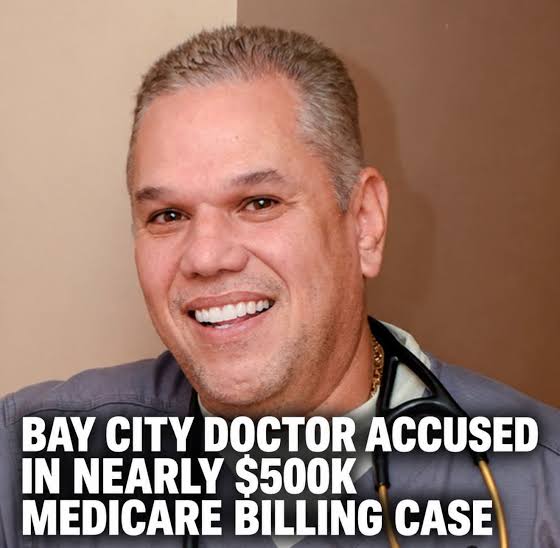
The Ghost Implants: A Texas Doctor Billed Medicare for Surgery His Staff Didn’t Perform, Records Show
Dr. Michael Neret’s Gulf Coast clinics collected nearly $500,000 for surgical neurostimulator procedures that were actually brief office sessions using taped-on electro-acupuncture wires, according to internal records and interviews. Federal fraud investigators have examined the billing, and a civil False Claims Act complaint is expected, people familiar with the matter said.
The billing records read like a high-acuity surgical practice. Each claim described a neurostimulator electrode implantation, a procedure that typically requires an operating room and that Medicare reimburses at thousands of dollars per patient.
The reality inside Neret MD Medical Clinic was different, according to internal clinic documents, Medicare billing data and interviews with former employees.
There was no operating room. No surgeon performed an implantation. Instead, non-physician practitioners and non-clinical staff inserted small electrode wires into patients’ skin and secured inexpensive electro-acupuncture devices behind their ears with adhesive during brief, in-office sessions, the records and interviews show. The clinic, owned and managed by Dr. Michael Neret, nonetheless billed Medicare nearly $500,000 for the surgical neurostimulator electrode implantations, according to billing records reviewed by the Hindenburg Papers.
The gap between the bill and the procedure is at the center of a federal fraud inquiry. Two people familiar with the matter said the U.S. Attorney’s Office for the Southern District of Texas has been reviewing the clinic’s Medicare billing, with assistance from the Department of Health and Human Services Office of Inspector General. A civil False Claims Act complaint is expected in the coming weeks, one of the people said. Both offices declined to comment. As of publication, no lawsuit or criminal charge had been filed.
Neret did not respond to repeated requests for comment. A detailed list of questions sent to Neret MD Medical Clinic was not returned.
A surgical code, a simpler device
Medicare pays thousands of dollars for each surgical neurostimulator electrode implantation because the procedure is supposed to involve an operating room and a physician’s surgical work. The clinic’s billing records, however, describe sessions that lasted minutes and were carried out by staff who were not surgeons, according to the documents and interviews.
Former employees said patients were brought into exam rooms, the electrode wires were placed, and the devices were taped behind their ears. The encounters were documented in a way that supported the surgical billing code, the records show. Device invoices reviewed by the Hindenburg Papers indicate the clinic paid a small fraction of the Medicare reimbursement for the electro-acupuncture equipment.
It was not clear whether patients were told that the procedure being billed to Medicare was different from the office session they received. Several former employees said they were instructed to use the devices without being told how the sessions would benefit patients.
The records also point to a second function for the sessions. In some patient files, the electro-acupuncture encounters were documented alongside prescriptions for narcotics for pain management, according to the documents and interviews. The Hindenburg Papers found that the procedure notes were used to support the existence of an active pain-treatment relationship at the clinic.
Federal scrutiny
The False Claims Act allows the government to recover treble damages and civil penalties from providers who knowingly submit false claims to Medicare. It also permits private whistleblowers to bring suits on the government’s behalf.
The Hindenburg Papers shared its findings with HHS-OIG and the U.S. Attorney’s Office for the Southern District of Texas before publication. A person familiar with the inquiry said investigators had already obtained billing records and had spoken with former clinic staff. The person spoke on condition of anonymity because the investigation is not public.
A separate person familiar with the matter said prosecutors were preparing a civil complaint that would seek to hold Neret liable for the allegedly false neurostimulator claims. The complaint had not been filed as of publication.
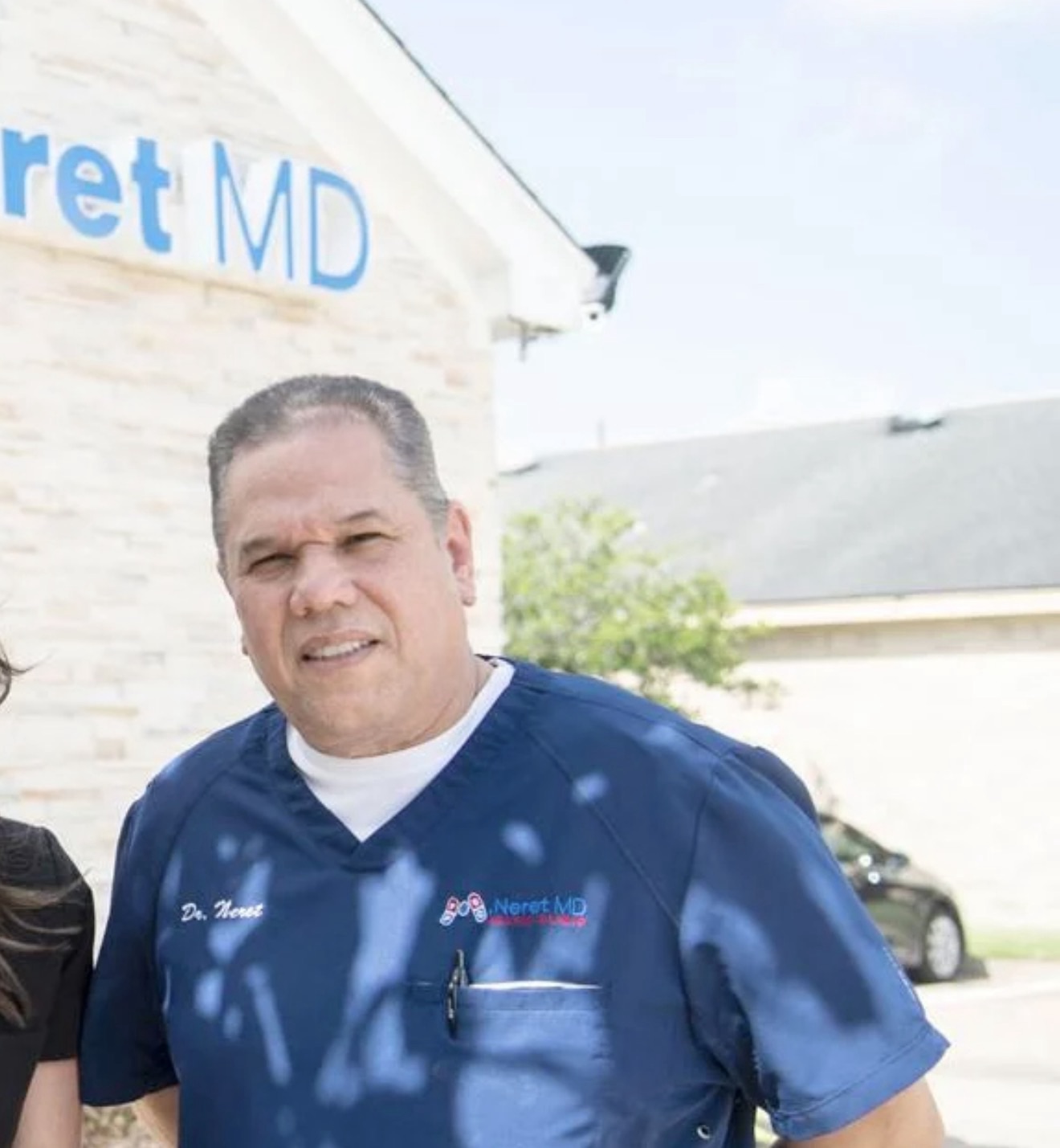
Neret owns and manages Neret MD Medical Clinic and practices in Bay City and Lake Jackson. A person who answered the phone at the Bay City office said Neret was seeing patients and was not available to comment.
Allegations, not conclusions
No court has found that Neret violated the False Claims Act. The government’s expected complaint would be a civil action, not a criminal indictment, and the claims would be allegations only. Neret has not been charged with a crime.
Still, the billing pattern identified by the Hindenburg Papers raises questions about how a procedure that Medicare treats as complex surgery could be billed when the actual service was a brief office visit using a device that costs far less than the reimbursement. Medicare rules require that the service billed be the service performed and that it be medically necessary.
The Hindenburg Papers will continue reporting on the clinic’s billing and on federal oversight of neurostimulator procedures in Texas.
Editor’s note, Sept. 29, 2026: After this article was published, the U.S. Attorney’s Office for the Southern District of Texas announced a False Claims Act lawsuit against Dr. Michael Neret. The government’s complaint alleges that Neret billed Medicare nearly $500,000 for surgical neurostimulator electrode implantations that he did not perform, and that non-physician practitioners and non-clinical staff used inexpensive electro-acupuncture devices during brief, in-office sessions. The complaint further alleges that Neret knew the devices were non-billable and used the procedures to justify prescribing narcotics for pain management. HHS-OIG assisted with the investigation. Assistant U.S. Attorneys Laura E. Collins and Michelle Luong are handling the matter. The claims are allegations only, and there has been no determination of liability.